How Lifestyle Impacts Heart Health in Middle Years
How often do you think about your heart—except when something feels off? By the time we reach our 40s and 50s, the daily choices we’ve made quietly stack up, shaping our heart’s strength and resilience. According to the World Health Organization, cardiovascular diseases (CVDs) are the leading cause of death globally, claiming 19.8 million lives in 2022—about one in three deaths worldwide. In India, CVDs account for 27% of all deaths, and nearly 45% of deaths among those aged 40-69.
These numbers make it clear: heart health can’t be ignored, even when we feel fine. That’s precisely what the 2025 World Heart Day theme, “Don’t Miss a Beat,” is highlighting—it’s a reminder to pay attention to your heart every day, not just when problems arise.
Lets discover why midlife matters for heart health and explore practical, impactful ways—through diet, lifestyle habits, and self-checks—to keep your heart resilient for years to come.
Why Midlife Is a Turning Point for Your Heart
In your 40s and 50s, your body undergoes changes that may not always be noticeable right away. Your metabolism slows down, and years of lifestyle choices begin to accumulate. This means midlife is not a time to be passive. It’s an invitation to shift gears and take real control over your heart health.
For women, menopause also signals higher cardiovascular risks, due to hormonal changes that affect cholesterol and blood vessel function.
Midlife is not about being passive—it’s the perfect time to take control and adopt heart-protective habits before serious problems arise.
How Diet Shapes Your Heart’s Health Story
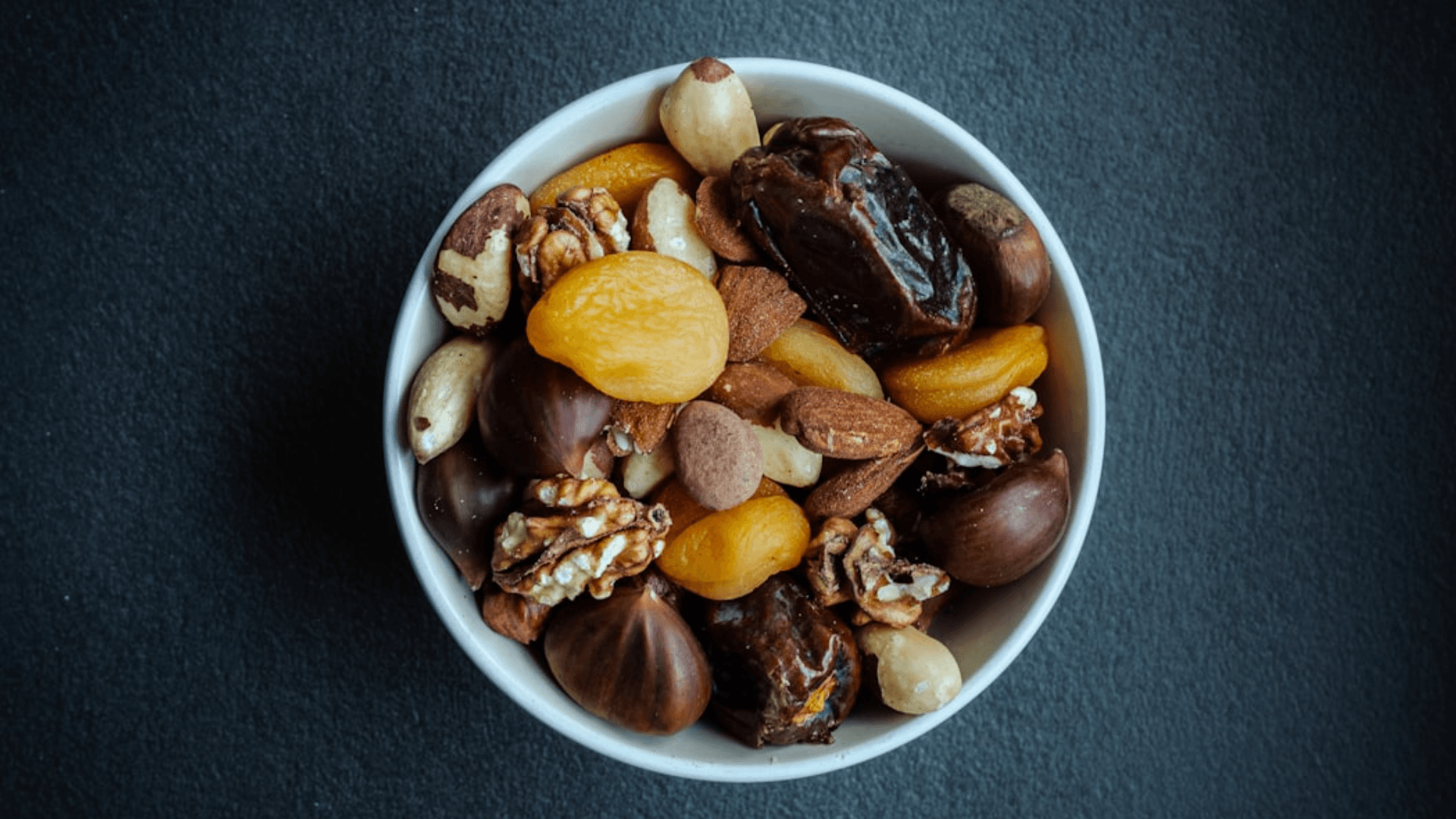
Think of your diet as the foundation for everything your heart does. Eating a lot of saturated fats, sugar, and salt pushes your heart to work harder and damages blood vessels over time. On the other hand, filling your plate with colorful fruits and vegetables, whole grains, nuts, and fatty fish gives your heart exactly what it needs to stay strong.
Research points to fiber reducing cholesterol and antioxidants protecting blood vessels from damage. Omega-3 fatty acids, especially from fish, fight inflammation, a key factor in heart problems.
You don’t need a complete overhaul overnight. Start simple—choose nuts instead of chips, water instead of soda, and watch your portion sizes. These small changes add up.

More Than Food: Lifestyle Habits Your Heart Depends On
Nutrition is just one part of the puzzle. How you live each day counts as much as what you eat.
A daily walk for 20 to 30 minutes can boost circulation and lower your blood pressure.

- Yoga for heart health is especially powerful. It’s not just exercise—it’s a practice that helps calm your nervous system, lowers stress hormones, and strengthens your heart by connecting body and mind.\
- Chronic stress is a silent enemy. Practices like meditation, breathing exercises, or just taking moments for yourself can protect your heart.
- Never underestimate sleep. Good sleep helps repair your body and keeps your heart rhythms steady.
- Lastly, staying connected with friends and loved ones is great for your emotional wellbeing and, as it turns out, your heart too.

These are small habits that build and protect your heart over time.
How To Check Your Heart Health
The early signs of trouble can be subtle: feeling more tired than usual, shortness of breath, or a fluttering heart. Learning how to check my heart health at home, such as monitoring your pulse or noticing your endurance during simple activities like climbing stairs, can help catch problems early. If you detect anything unusual, don’t hesitate to get professional advice.
Your heart never takes a day off. “Don’t Miss a Beat” is more than just a phrase—it’s a way of life, especially in midlife. The simple habits you cultivate now—mindful eating, regular movement including yoga for heart health, stress relief, good sleep, and strong social ties—will keep your heart resilient.
Turning these small but vital steps into lasting habits is key. Structured wellness programs like Aprisio’s RESET are designed to guide this journey, making heart-healthy living manageable and sustainable over time.
More than that, Aprisio offers a vibrant community of individuals sharing the journey of midlife wellness. Together, they foster motivation, understanding, and shared growth—a rhythm of support that makes every heartbeat stronger.Because when you honor your heart, you honor your life.
Related Blogs