How does travelling slow down the aging process?
Have you ever noticed how time seems to slow down when you’re wandering through a bustling bazaar, laughing with strangers who become friends, or quietly taking in a mountain sunrise? Maybe you’ve come back from a trip feeling lighter, clearer, and somehow… a little younger on the inside. You’re not imagining it. The places you visit and the adventures you embrace can do more than just fill photo albums—they can change the way you feel, think, and even age.
Many of us, somewhere in midlife, start to wonder: is there a way to keep feeling vibrant, open, and engaged, no matter what our birth certificate says? This is where travel comes in, not as an escape, but as a gentle invitation to experience renewal. Let’s explore together how getting out into the world could be one of the simplest—and most joyful—ways to slow down the clock, inside and out.
Defying Entropy: The Biological Battle Against Aging
We often think of aging as something inevitable and irreversible, but a recent groundbreaking interdisciplinary study from Edith Cowan University in Australia offers a refreshing and transformative perspective. The researchers applied the concept of entropy—a physics principle describing the gradual decline from order to disorder—to human biology and aging
According to this research, travel acts as a counterbalance to entropy by exposing your body to new environments and physical activities that stimulate metabolic and immune system efficiency. Every hike up a mountain path, every walk on historic streets, and every new culture you immerse yourself in triggers your body’s self-organizing systems — mechanisms that repair, regenerate, and maintain internal order in cells and tissues.
Simply put, travel refreshes your internal systems, delaying biological wear and tear more effectively than static routines at home.
One of travel’s less obvious gifts is the boost it gives your brain. As you navigate unfamiliar places, your brain engages with new sensory information, problem-solving scenarios, and social encounters—much like an intense mental workout.
Research shows that this mental stimulation promotes neuroplasticity, the brain’s ability to form and reorganize synaptic connections throughout life. This stimulation counters the cognitive decline often associated with aging, preserving memory, reasoning, and creativity
What’s more, novelty triggered by travel ignites dopamine release, the neurotransmitter linked to pleasure and motivation. This not only elevates mood but also incentivizes continued learning and social engagement—both vital for healthy brain aging.
Emotional Renewal and Stress Reduction
Chronic stress is a silent aging accelerator, flooding your body with cortisol and disrupting cellular repair. Travel’s ability to pull you away from daily stressors, immerse you in new environments, and connect you with diverse cultures delivers a profound emotional reset.
But it’s not just about relaxation—it’s the meaningful engagement during travel that makes the difference. Whether you are exploring a serene temple, sharing stories with locals, or tasting unfamiliar cuisine, travel nurtures emotional resilience by fostering mindfulness and positive social connections.
This combination dramatically lowers chronic stress markers, optimizes immune responses, and replenishes your body's anti-aging defenses.
Practical Ways to Harness Travel’s Anti-Aging Power
To maximize these age-defying effects, consider these mindful travel strategies:
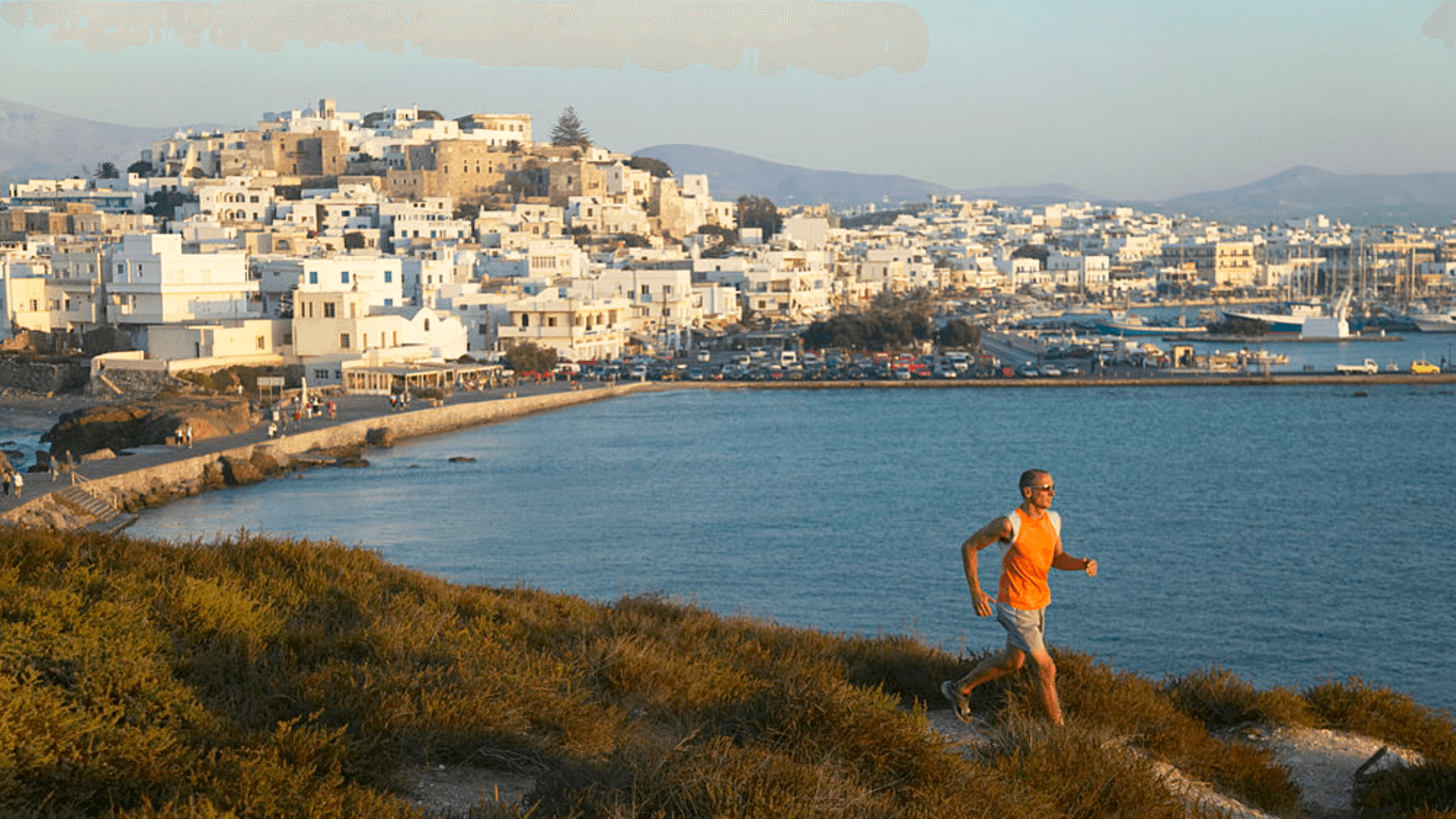
- Prioritize active exploration: Select trips that encourage walking, hiking, or cycling to boost metabolism and circulation.
- Engage deeply with culture: Immerse in local traditions, language, and food to sharpen cognition and emotional richness.
- Balance activity with relaxation: Allow downtime to ensure proper cellular repair and stress recovery.
- Connect socially: Build friendships and share experiences to enhance emotional wellbeing.
- Choose new experiences often: Traveling to different places or trying novel activities continuously stimulates brain plasticity and body renewal.
Even local adventures that break your usual routine can trigger many of these rejuvenating processes.
Travel as A Longevity Ritual
It’s tempting to see travel as an indulgence, but increasingly, science and lived experience reveal it touches the essence of lifelong health. It’s an investment in your biological and emotional capital—not just a fleeting escape.
From cellular metabolism to mind-body integration and emotional revitalization, travel choreographs a multidimensional dance of renewal, offering a pathway to age with curiosity, joy, and resilience.
If the idea of slowing your aging process through purposeful travel excites you, Aprisio offers uniquely curated experiences designed to blend wellness, cultural immersion, movement, and connection. These journeys aren’t just vacations—they’re transformative chapters in your personal longevity story.
Related Blogs